
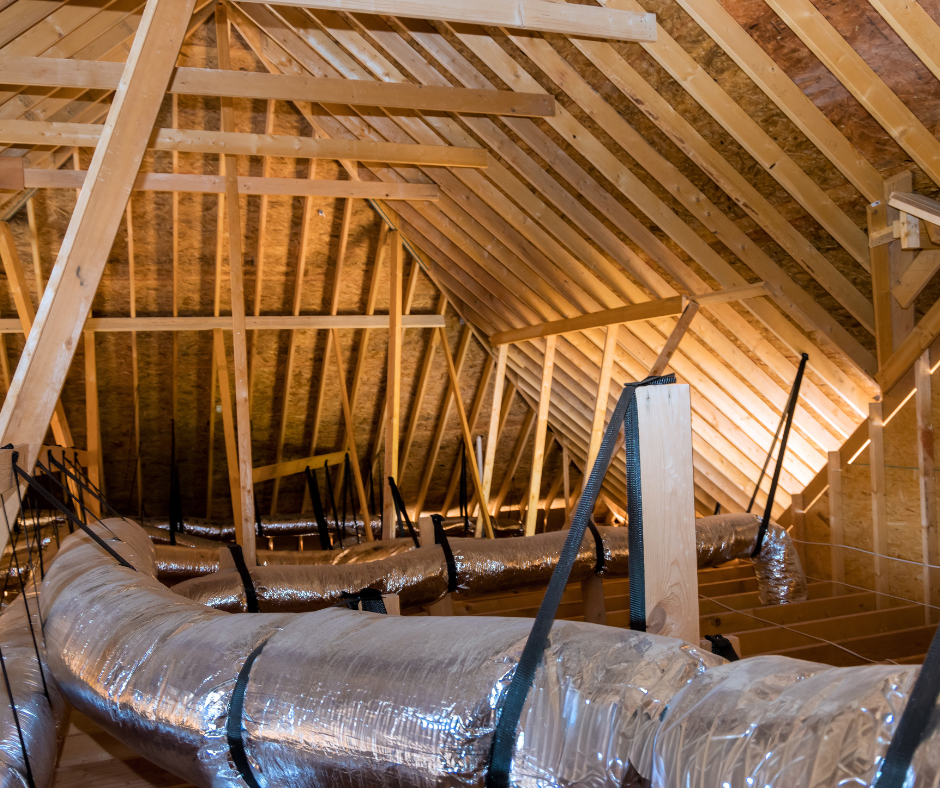
When summer temperatures rise in Arkansas, many homeowners assume their air conditioner is solely responsible for higher energy bills. However, the underlying problem may be located in an area the air conditioning system does not directly reach: the attic.
Attic temperatures can climb significantly higher than the outdoor temperature. Without adequate insulation and ventilation, that trapped heat transfers into the living areas below, forcing the HVAC system to work harder throughout the day.
Understanding how attic heat affects your home is an important step toward improving indoor comfort, reducing unnecessary energy use, and controlling summer utility costs.
How Hot Can an Attic Get?
On a typical Arkansas summer afternoon, attic temperatures can exceed 150 degrees Fahrenheit. Roofing materials absorb heat from direct sunlight throughout the day, causing temperatures beneath the roofline to rise quickly.
When an attic lacks sufficient insulation or proper airflow, much of that heat remains trapped. Although homeowners may not directly see or feel the attic temperature, its effects can often be felt throughout the home.
How Attic Heat Enters Your Living Space
Heat naturally moves from warmer areas toward cooler areas. Because the attic sits directly above the conditioned areas of your home, excessive attic heat can transfer through the ceiling and into the rooms below.
Proper insulation creates a thermal barrier that slows this heat transfer. When insulation is missing, damaged, uneven, or insufficient, the HVAC system must run longer and more frequently to maintain the desired indoor temperature.
This is one reason upstairs bedrooms and other second-floor spaces may remain warmer than the rest of the home, even when the thermostat appears to be functioning properly.
The Energy Cost You May Not Expect
A sudden increase in summer energy bills does not always mean that your air conditioning system needs to be replaced. In many cases, the system is working properly but compensating for excessive heat entering the home through the attic.
The longer the system runs, the more energy it consumes. Over time, the additional workload may also contribute to unnecessary wear on HVAC components.
Addressing attic heat can help the entire home operate more efficiently and may reduce the strain placed on the cooling system.
Signs Your Attic May Be Working Against You
Your home may have an attic insulation or heat-transfer problem if:
- Upstairs rooms remain noticeably warmer than downstairs areas.
- Ceilings feel unusually warm during the afternoon.
- The air conditioner runs almost constantly during peak summer hours.
- Indoor temperatures are difficult to maintain.
- Energy bills increase significantly without a corresponding change in household usage.
- Certain rooms feel uncomfortable even when the HVAC system is operating.
These symptoms can have several possible causes, which is why a professional assessment is often more effective than relying on guesswork.
How Proper Attic Insulation Can Help
Attic insulation is one of the most effective ways to reduce heat transfer between the attic and the living space.
Quality insulation helps:
- Maintain more consistent indoor temperatures.
- Reduce the workload on the HVAC system.
- Improve comfort in upstairs rooms.
- Limit unnecessary energy consumption.
- Address areas where insulation may be missing, compressed, or uneven.
Insulation needs can vary depending on the age, construction, and current condition of the home. A professional home energy audit can identify whether the attic is contributing to higher energy costs and uncomfortable indoor temperatures.
How an E3 Energy Solutions No Cost to You Home Energy Audit Helps
Rather than guessing about the source of your home’s comfort or efficiency issues, an energy audit from E3 Energy Solutions provides a clear, professional evaluation.
During the assessment, trained technicians can:
- Evaluate existing attic insulation levels.
- Identify areas of excessive heat transfer.
- Assess airflow and ventilation concerns.
- Locate potential efficiency problems throughout the home.
- Recommend practical improvements based on the home’s specific needs.
The goal is to help homeowners understand where energy is being lost and which improvements should be prioritized.
Through the Arkansas Home Energy Solutions Program, qualifying homeowners may be eligible to receive a home energy audit at no cost to them.
Keep Attic Heat Out of Your Home
Do not wait until the hottest part of the Arkansas summer to discover that your attic has been increasing your energy costs and reducing your indoor comfort.
Contact E3 Energy Solutions today to find out whether you qualify for a home energy audit at no cost to you. A professional evaluation can help you identify hidden efficiency problems, understand your improvement options, and keep unwanted heat where it belongs—outside your living space.

